Türkiye
Bangladesh
Việt Nam
Indonesia
中国
close

Biodegradability as a cycling pathway for unavoidable material losses

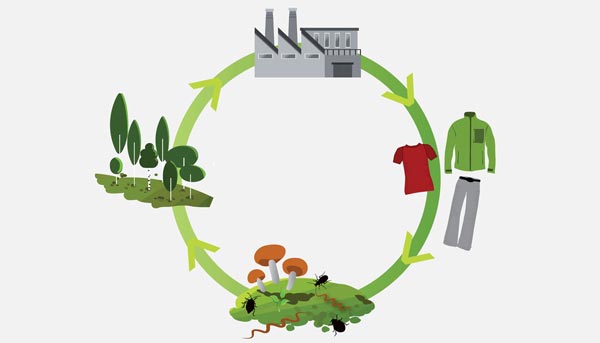
Not all materials and material components can be returned to technical cycles after use. Some material losses cannot be recovered by technical means – such as fibres that come loose during wear or washing. For these material flows, biodegradability represents an important complementary cycling pathway.

Biodegradability tests (biodegradation) enable an assessment of how materials break down under defined environmental conditions – for example, in soil or wastewater systems – and whether any potentially critical residues remain. The data obtained provide transparency about the behaviour of materials outside technical cycles and support the development of circular material strategies.

Why is biodegradability important?

  • to better understand the environmental risks and impacts of material losses during use and maintenance,
  • to assess the potential impacts of residues in soil and water systems,
  • to combine biological and technical circular economy strategies in a targeted manner,
  • to address the requirements of future regulatory frameworks, and
  • to take a holistic view of the circularity of materials.

Biodegradability thus complements established strategies of reuse, repair and recycling and offers an additional route for integrating material losses – particularly those that cannot be recovered – into circular material cycles.

What we test

Product and environmental impact assessments

  • Extent and rate of biodegradation of various materials
  • Release and effects of residues during degradation
  • Ecotoxicological safety for organisms living in soil and water

Areas of application include clothing, home textiles, technical textiles and materials used in consumer goods, as well as detergents such as laundry detergents.

How we test

Controlled conditions for biodegradation

We design biodegradability tests to deliver reliable, comparable and practice-relevant results.

Simulation of natural-like conditions

We carry out the tests in controlled laboratory environments that replicate natural conditions, such as soil or aquatic systems. This enables us to assess the behaviour of materials in the relevant environmental compartments (e.g. environmental media such as soil or water) whilst ensuring the consistency required for meaningful comparisons.

Standardised and reproducible methods

The tests are carried out under defined conditions to ensure the following:

  • Reproducibility
  • Reliable data for product development and the verification of claims
  • Comparability between materials, products and stages of development

Time-based assessment of material behaviour

A time-based approach provides a more complete picture than individual measurements. This involves monitoring changes in:

  • Material structure
  • Mass loss
  • Progress of degradation

Assessment beyond degradation

Biodegradability alone is not sufficient. We also assess whether degradation leads to environmentally acceptable outcomes, including:

  • Analysis of residues following degradation
  • Assessment of potential environmental impacts on organisms living in soil and water bodies

Reliable and comparable results

The outcome is clear, scientifically sound data that supports the following:

  • Decisions relating to product development
  • Material selection
  • Communication with regulatory authorities and customers
Application

Biodegradability tests are used in the areas of procurement, product development, verification of claims, quality assurance and circular economy initiatives

  • Objective measurement of biodegradability in soil and wastewater
  • Verification of product claims
  • Data-driven product optimisation and procurement
  • Assessment of a product’s environmental impact
  • Quality assurance based on ecotoxicological studies

Evidence of biodegradability

Hohenstein combines standardised methods with specific approaches to assess biodegradation and the effects of the remaining residues (following degradation).

Law compliant marketing – evidence rather than sweeping generalisations

Starting September 27, 2026, claims such as “biodegradable” may only be advertised if backed by reliable evidence (ECGT Directive). With our accredited testing services, you can ensure that your environmental claims are legally compliant and verifiable.

Which test is suitable for my product?

Product / Material Test environment Suitable method
Textile fibre release Wastewater / Soil DIN SPEC 4872 / DIN SPEC 19296
Plastics & materials of other origins Wastewater / Soil DIN EN ISO 14851 / DIN EN ISO 17556
Chemicals, detergents & cleaning agents Wastewater OECD 301 F
Textile fabrics Soil Soil burial test (Hohenstein method)
In soil

Hohenstein method – in soil

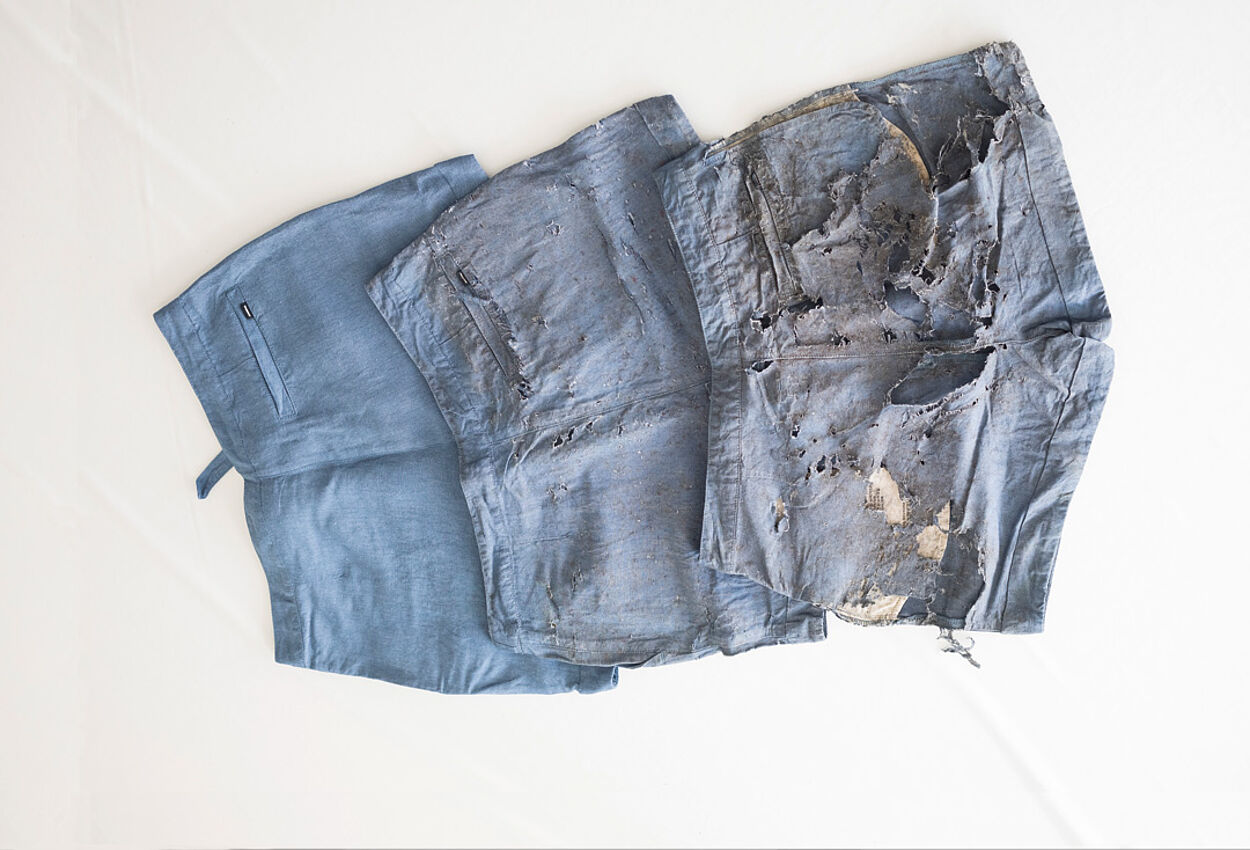
Assessment of the degradation behaviour of textile materials and the ecotoxicological effects of their residues under natural, aerobic soil conditions, in accordance with the methods set out in DIN EN ISO 846 and DIN EN ISO 11721.

  • Typical timeframe:
    At least 3 months up to 1 year, depending on the material and scope
  • We carry out the tests under defined laboratory conditions, with incubation taking place in standardised test vessels under constant, natural-like climatic conditions (25 °C ± 1 °C).
  • We test in standardised test soil under aerobic conditions, with biological activity monitored against a reference sample.
  • Sampling and sample preparation take place after three defined excavation dates (these may vary depending on the product).
  • The tests are evaluated after a specified test period by determining the degradation rate of the test samples through a quantitative assessment of the sample material, based on the measurement of mass loss.
  • Furthermore, we assess the environmental impact of the degradation products through ecotoxicological tests and can optionally supplement these with chemical analyses.

DIN EN ISO 17556 – in soil

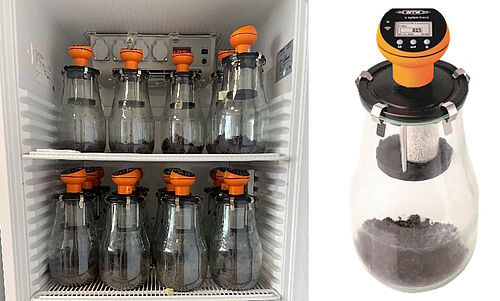
Determination of the complete aerobic biodegradability of materials in soil by measuring the oxygen demand in a respirometer or the amount of carbon dioxide produced.

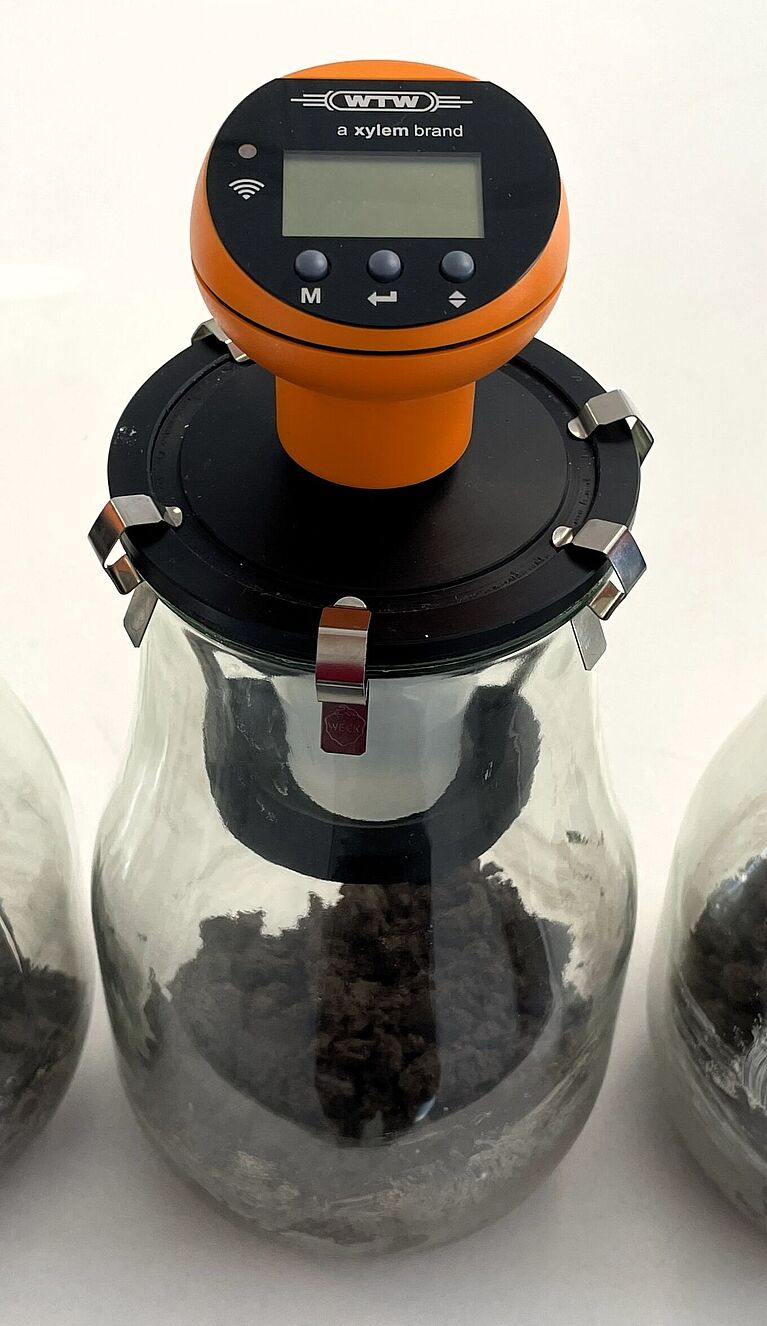
DIN EN ISO 17556 uses a closed respirometer method to assess biodegradation in soil at 25 °C.

A closed respirometer measures how much oxygen microorganisms consume to degrade a material in soil, thereby enabling a precise calculation of its biodegradability under controlled conditions.

  • Typical timeframe:
    Usually 6 months
In wastewater

DIN EN ISO 14851 – in wastewater

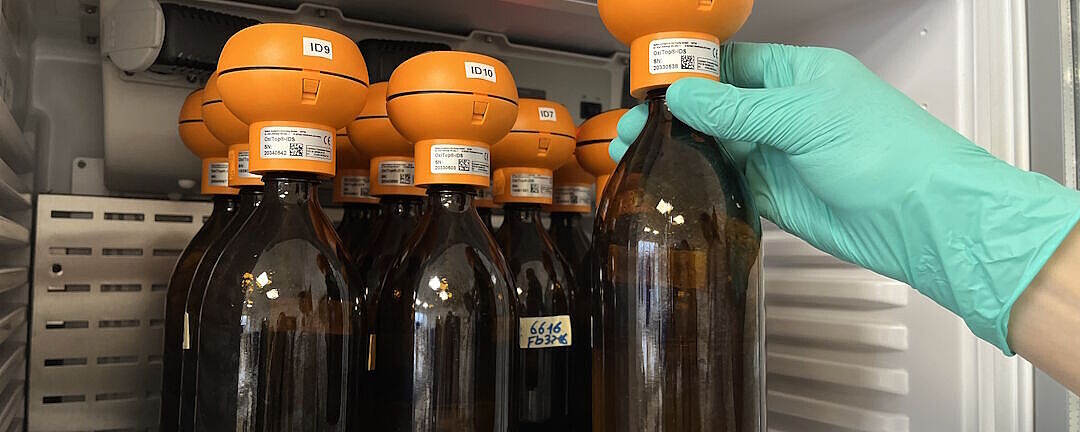
Determination of the complete aerobic biodegradability of materials in an aqueous medium – method involving the measurement of oxygen consumption in a closed respirometer.

DIN EN ISO 14851 uses a closed respirometer method to assess biodegradation in aqueous environments at 25 °C, such as under wastewater treatment conditions.

A closed respirometer measures the amount of oxygen consumed by microorganisms to degrade a material in an aqueous medium, thereby enabling a precise calculation of its biodegradability under controlled conditions.

  • Typical timeframe:
    Usually 2–3 months 
DIN SPEC

DIN SPEC 4872

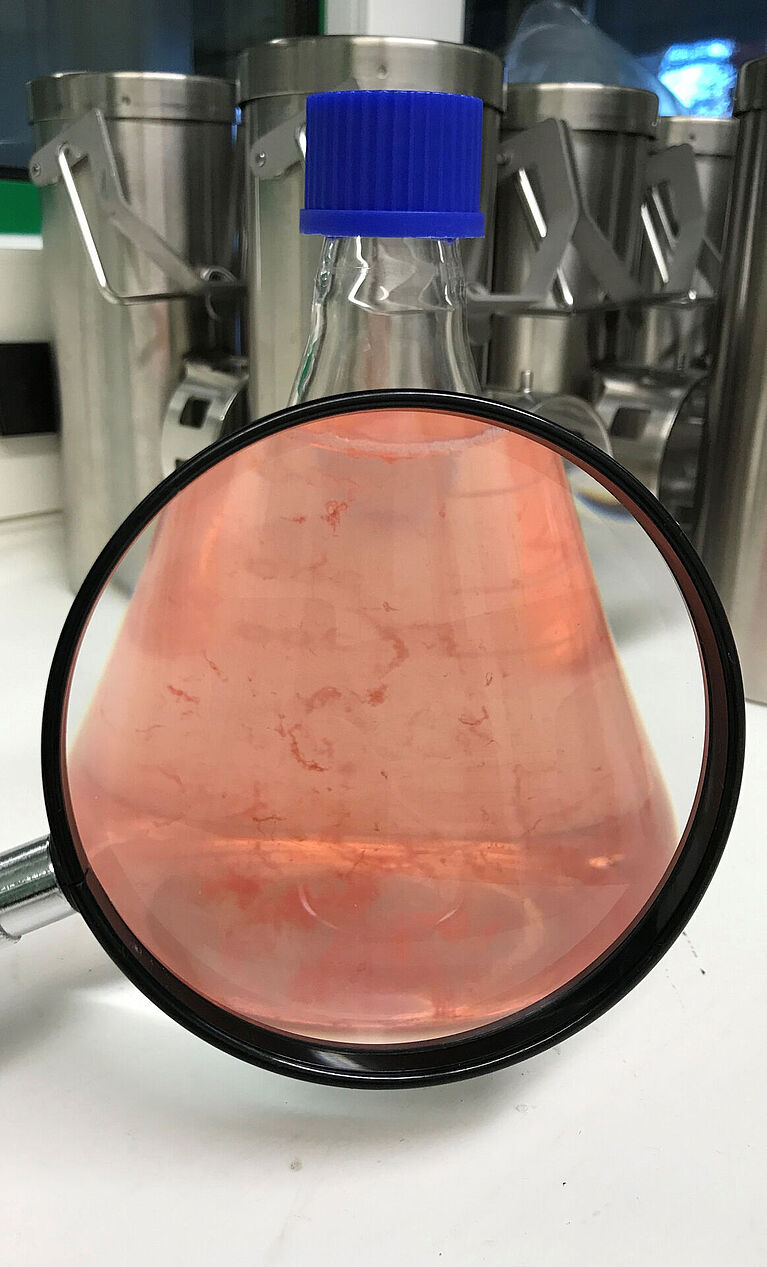
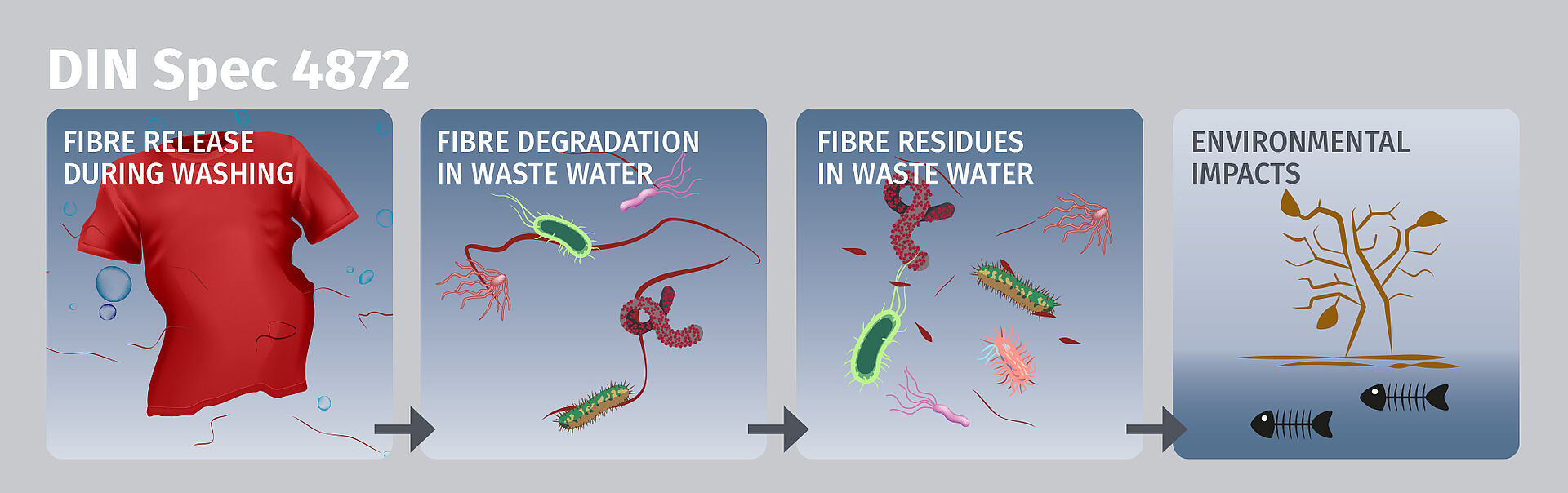
DIN SPEC 4872 is a standardised test method for determining and classifying the environmental impact of textiles during washing. The test method examines how many fibres are shed during the washing of textiles, how well these fibres degrade in wastewater, and how harmful the fibre residues are to the environment.

Once the test procedure has been completed, we assign a classification code as the result, which reflects the degree of fibre shedding, the rate of biodegradation and the ecotoxicological potential of the textile product under investigation.

  • Typical timeframe:
    Usually 3 months

DIN SPEC 19296

DIN SPEC 19296 is a standardised test method for assessing the biodegradability and ecotoxicity of textile fibres and fragments in soil. The method assesses how textile fragments degrade under defined soil and climatic conditions, and whether the degradation residues adversely affect plants or soil organisms.

By combining biodegradability tests with an ecotoxicological assessment, DIN SPEC 19296 provides a comprehensive basis for comparing textile materials and validating environmental claims.

  • Typical timeframe:
    Usually 7 months
Biodegradation of chemicals

Testing the biodegradation of chemicals in accordance with OECD 301 F

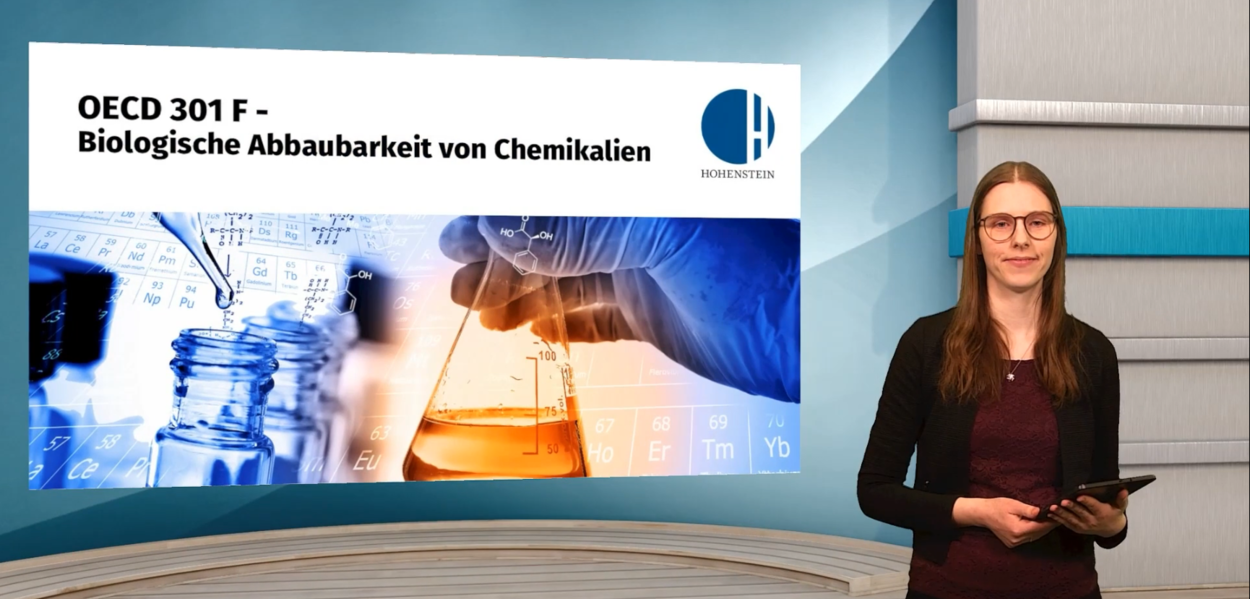
This test method can be applied to soluble and insoluble chemicals such as detergents and cleaning agents, industrial chemicals (in accordance with the REACH Regulation and the Detergents Regulation) and cosmetics. It measures the rate and extent of biodegradation at 22 °C over a period of 28 days in a respirometer system and also classifies the inherent and persistent (i.e. difficult) biodegradability.

To pass the test in accordance with OECD 301 F, at least 60 per cent of the chemical must be biodegraded within 10 days. It is then considered readily biodegradable.

The method verifies the requirements of various certifications, such as the EU Ecolabel, and can be used in the context of REACH as evidence of biodegradability to distinguish between microplastics and other substances.

Information we require for the test:

  • Name and molecular formula of the chemical substance
  • Characteristic properties such as water solubility, vapour pressure, etc.
  • Safety instructions

We also test detergents for you

Ecotoxicity

Ecotoxicological assessment based on biodegradation

In soil

  • OECD 207 (earthworm test)
    Assesses the effects of materials and their degradation products on soil organisms
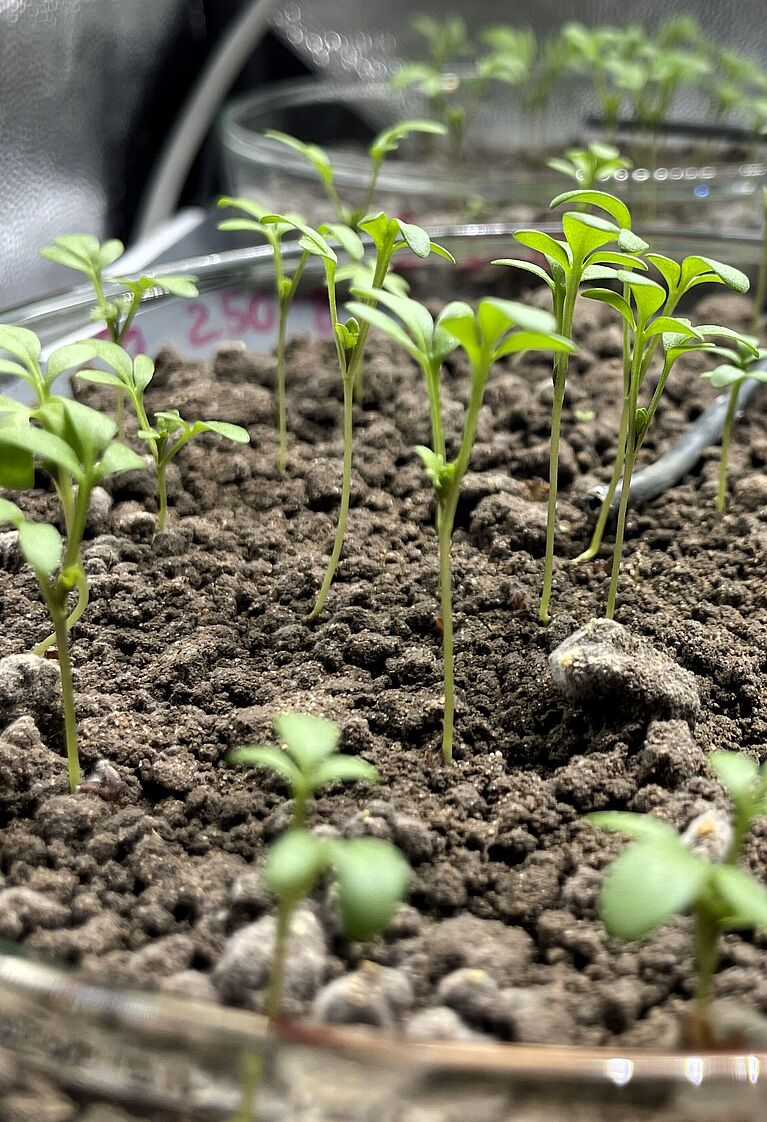
  • OECD 208 (cress test)
    Assesses the effects of materials and their degradation products on plant growth
  • Duration:
    approx. 2 weeks (following a biodegradability test in soil) 

In an aqueous medium

  • ISO 20079 (duckweed test)
    Assesses the effects of materials and their degradation products on aquatic plants
  • Duration:
    approx. 2 weeks (following a biodegradability test in wastewater)